Reading appearance on a certificate
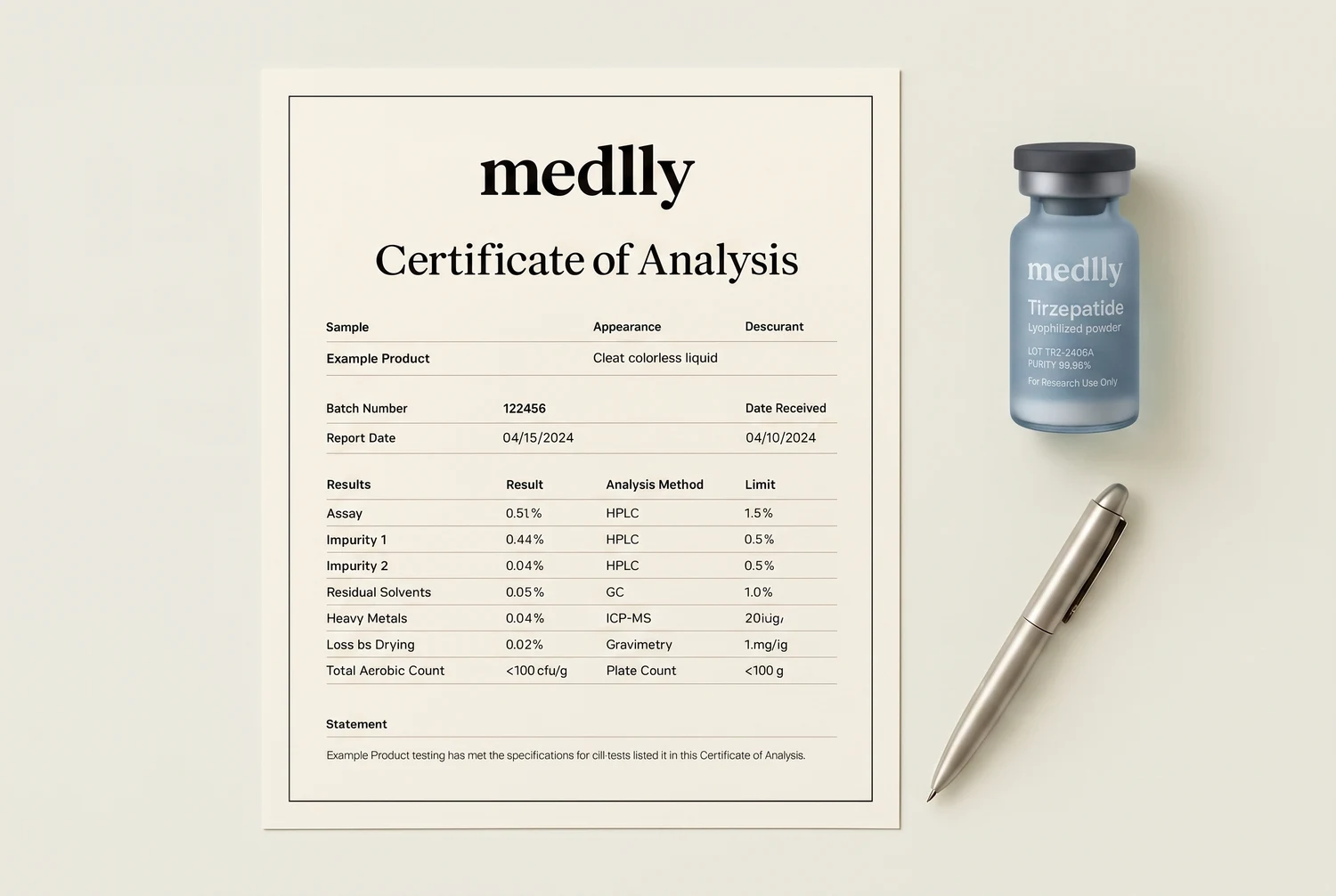
Appearance is the simplest line on a certificate and the easiest first check when a lot arrives. Here is what it records and how to use it.
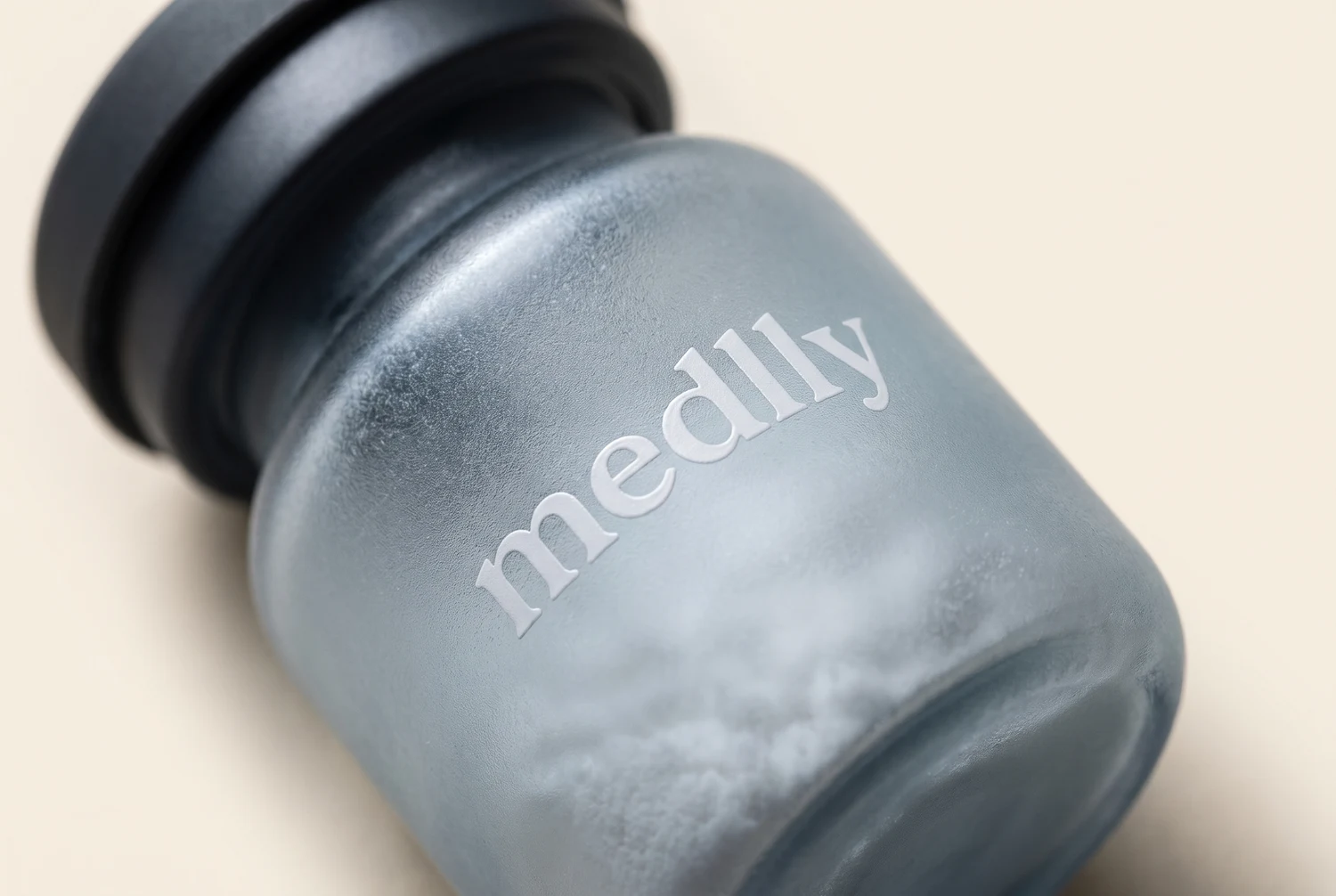
Appearance is often the first row on the analytical panel and the simplest to read. It records what the material physically looks like, assessed by eye against a written description. It is a plain, descriptive measure, and it makes a useful first check the moment a lot arrives.
What appearance records
The appearance line states the physical form and color of the material as supplied, for example a white to off-white lyophilized powder, or a clear colorless solution. The certificate pairs the observed description with the specification it was checked against, and marks whether the two agree.
Powder versus solution
Lyophilized, or freeze-dried, material is typically described as a powder or cake; a supplied solution is described by its clarity and color. Knowing which form to expect lets you confirm at a glance that a lot matches its documentation before anything else is done with it.
Using it on arrival
Comparing what you see against the appearance line is a quick way to confirm the material is what the paperwork describes. An obvious mismatch, such as discoloration or an unexpected form, is a reason to check the lot number and documentation before proceeding.
Where it sits on the panel
Appearance describes the physical state of the lot; identity and purity describe what it is and how much; endotoxin describes cleanliness. Read together, the rows give a rounded picture of a single lot, which is why appearance, simple as it is, stays on the standard panel.